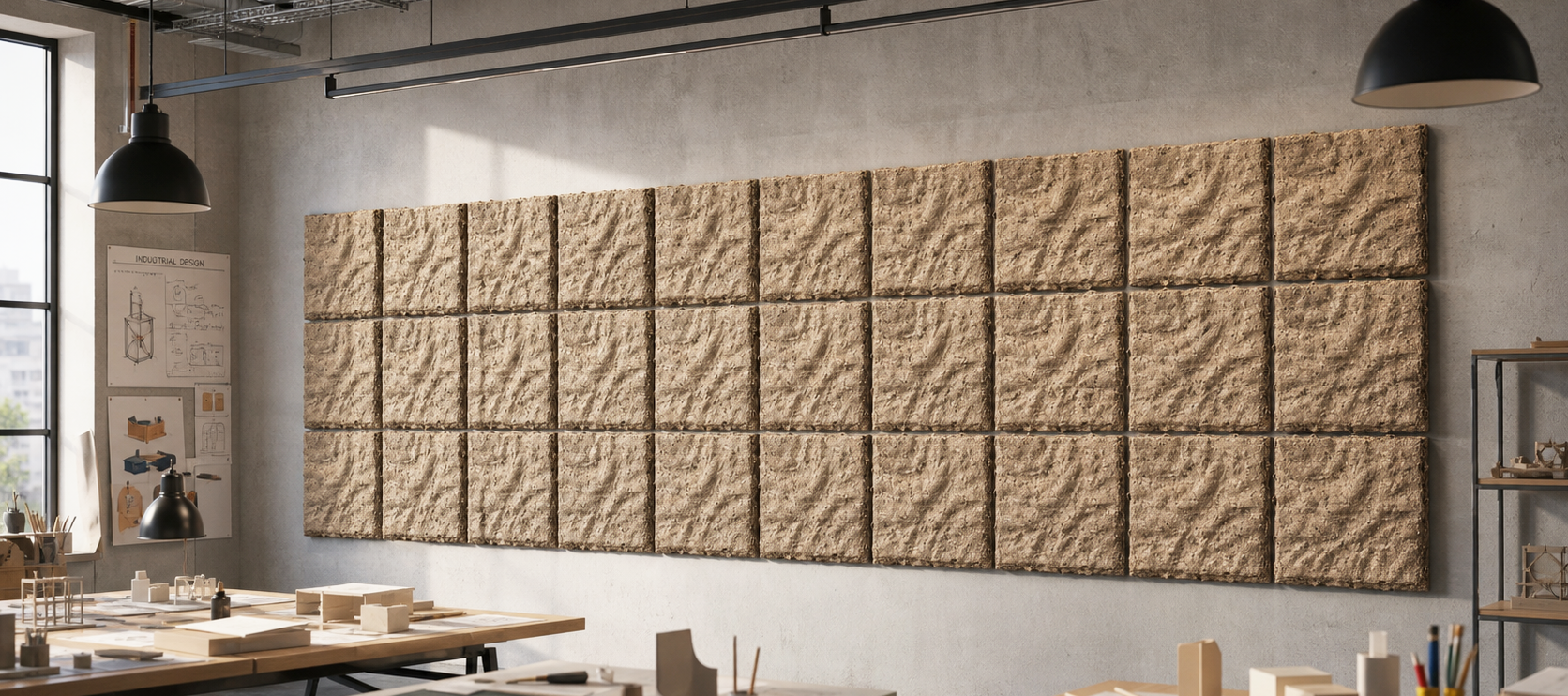
BANANA PEELS | Acoustic Biomaterial

BANORA
Transforming discarded banana peels
into porous acoustic interior surfaces
through low-energy compression processes.
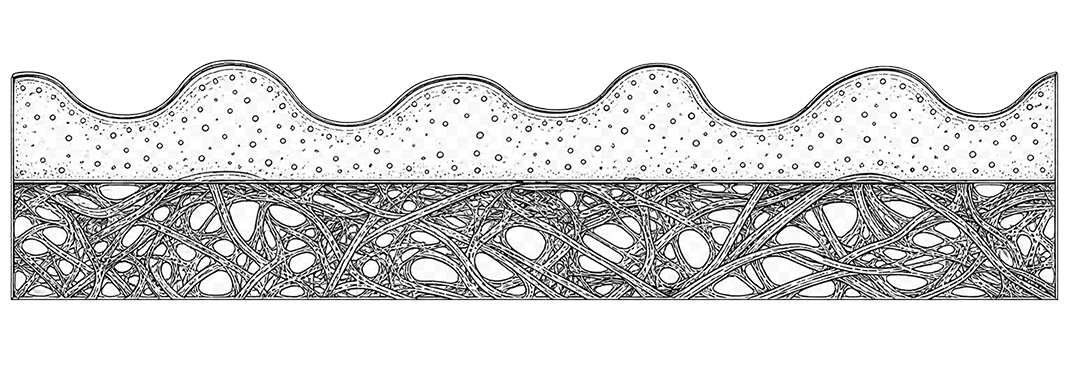
Naturally porous fiber structures create the conditions for acoustic absorption.
Layered cellular structures and natural air cavities help diffuse and absorb sound energy across frequencies.


Fiber Structure
Interwoven fibers create lightweight structural density.

Porosity
Natural porosity helps trap and soften reflected sound.

Acoustic Behavior
Helps reduce echo within interior spaces.

Biological Return
Naturally reintegrates into biological systems.
A circular material system rooted in local resources and low-energy processes.
Existing food processing waste streams already contain the conditions for long-life material applications.
10% of one mid-size factory’s peel waste
→ 3,200 m² of acoustic paneling / year
≈ 7 classrooms covered
Prototype ratio: 3 banana peels → 9×9 cm panel
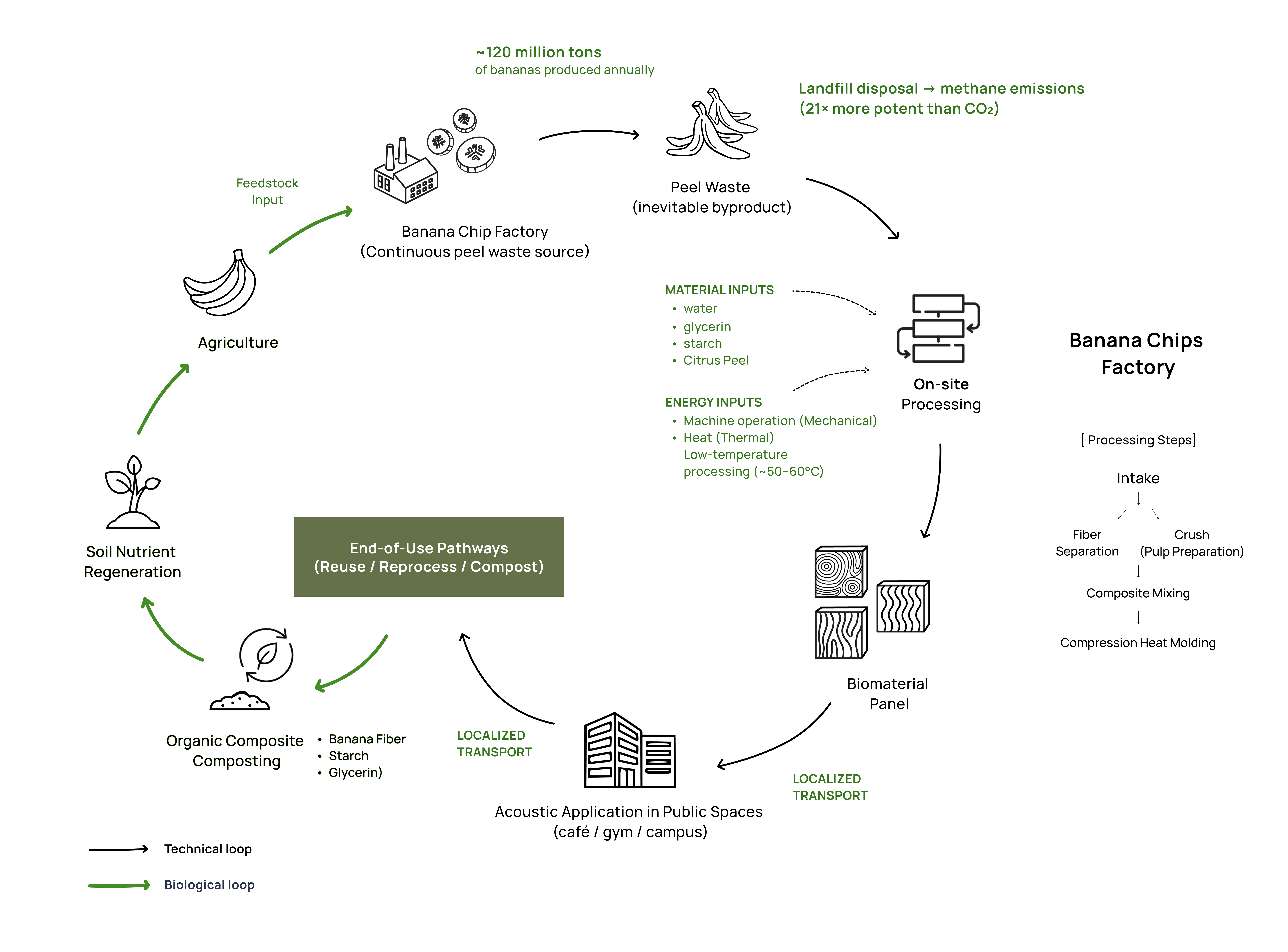
From Banana Peel
to Acoustic Surface
Discarded banana peels are mechanically restructured and stabilized through low-energy processes to form rigid, porous acoustic panels.
Fiber Extraction
Fiber extraction separates long structural strands.
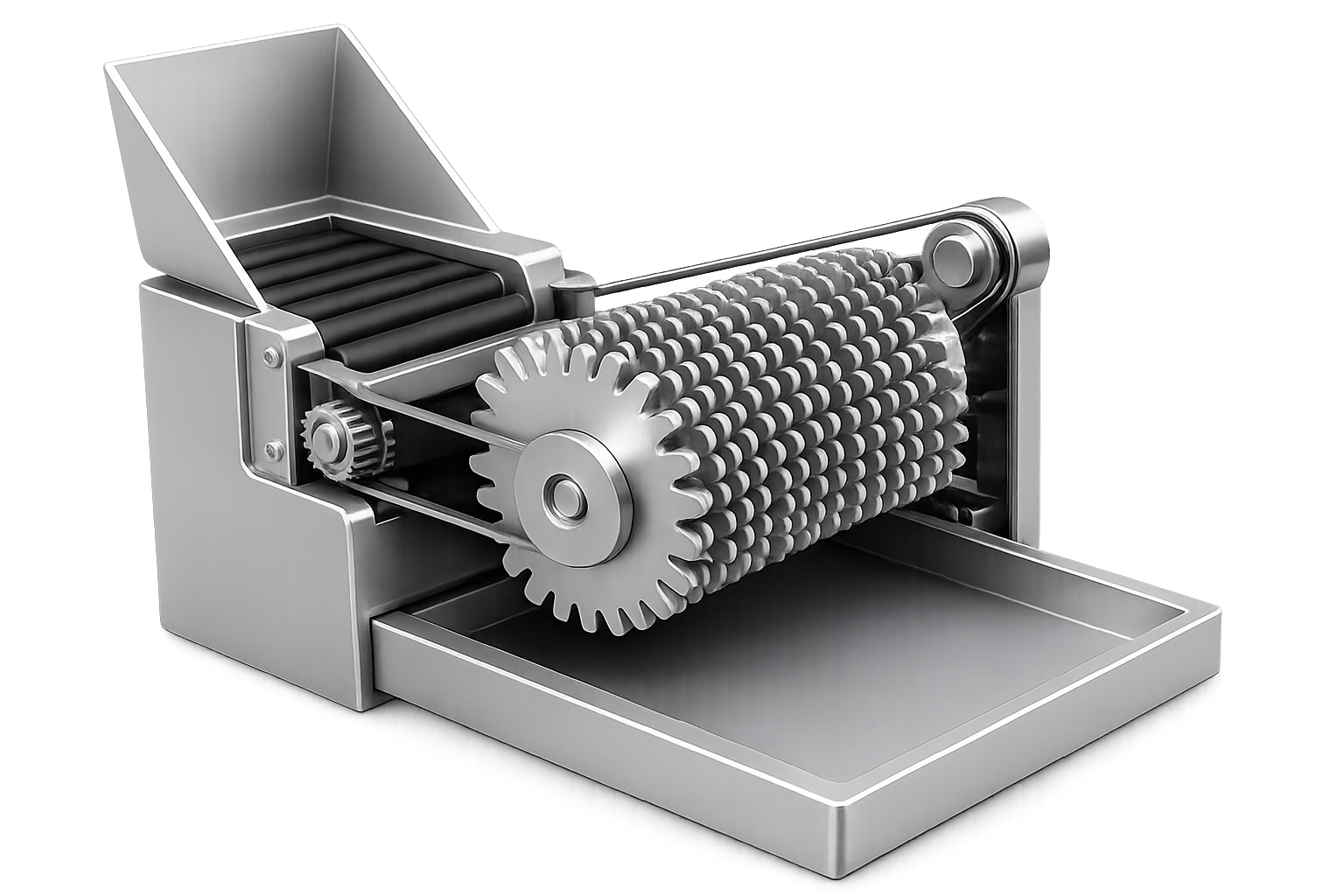
Peels are cleaned and crushed to release fibrous strands.
Binder Integration
Natural binders stabilize the fiber matrix.
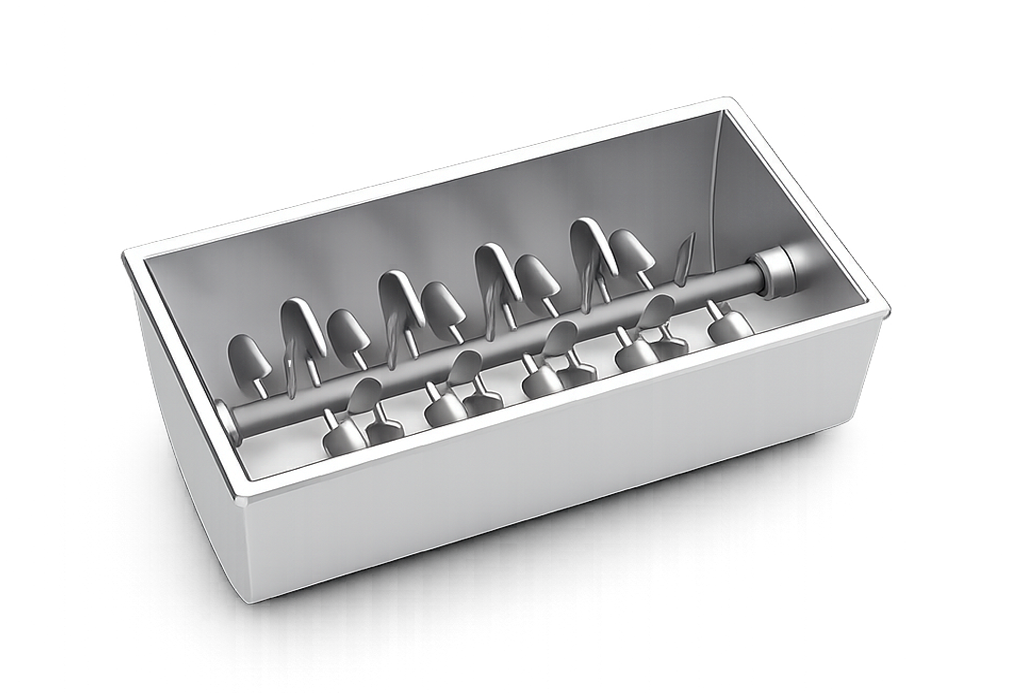
Starch and glycerin are mixed with fibers to improve cohesion.
Thermal Compression
Thermal compression forms rigid porous surfaces.
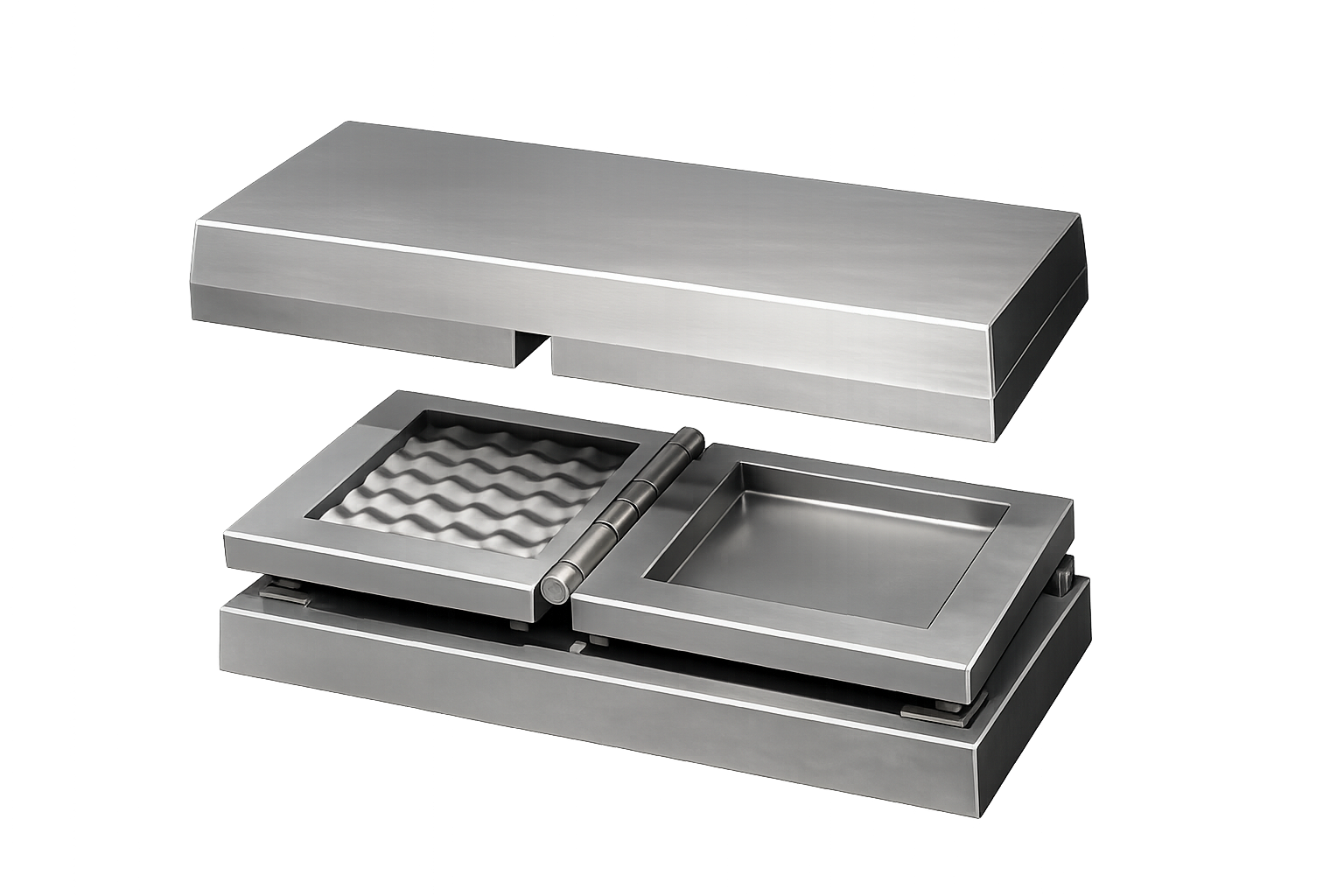
Low-temperature heat and pressure lock the structure into shape.
Biomaterial Panel
A lightweight panel with acoustic performance and natural texture.
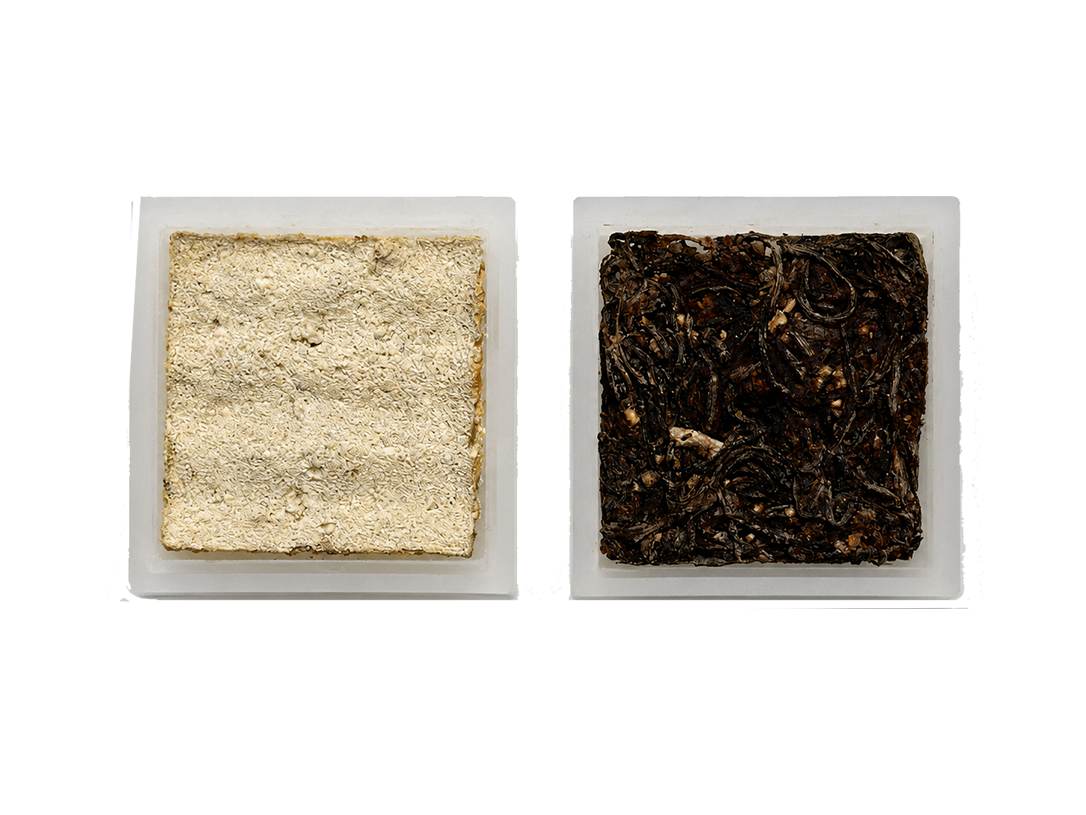
Fibrous structure is preserved while forming a stable panel.
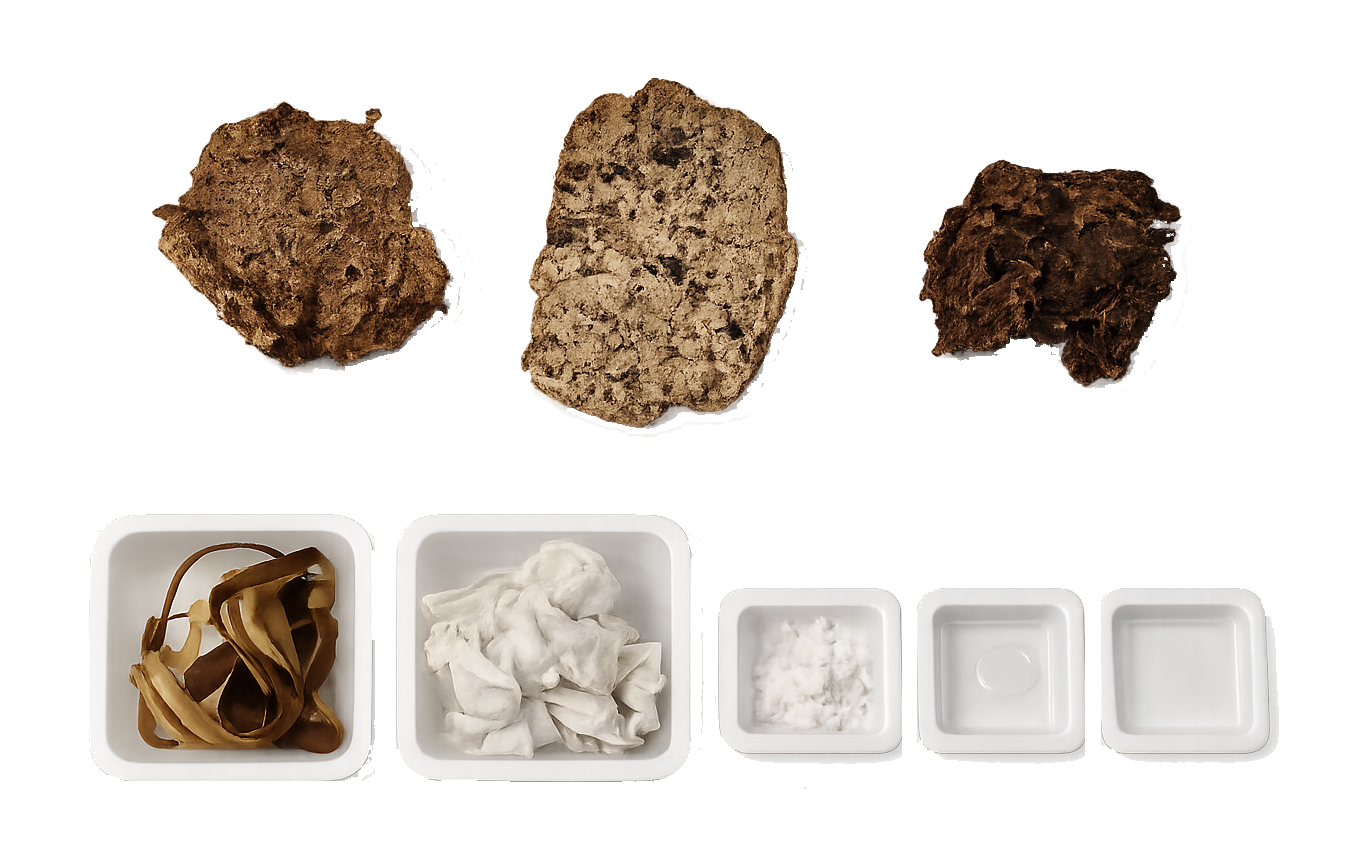
From Object Thinking
to Material Thinking
Early experiments focused on substitution — exploring how the material could replicate existing disposable products.
The research later shifted toward the inherent behavior of banana peel itself: fibrous, porous, and capable of forming longer-life material systems through low-energy transformation.
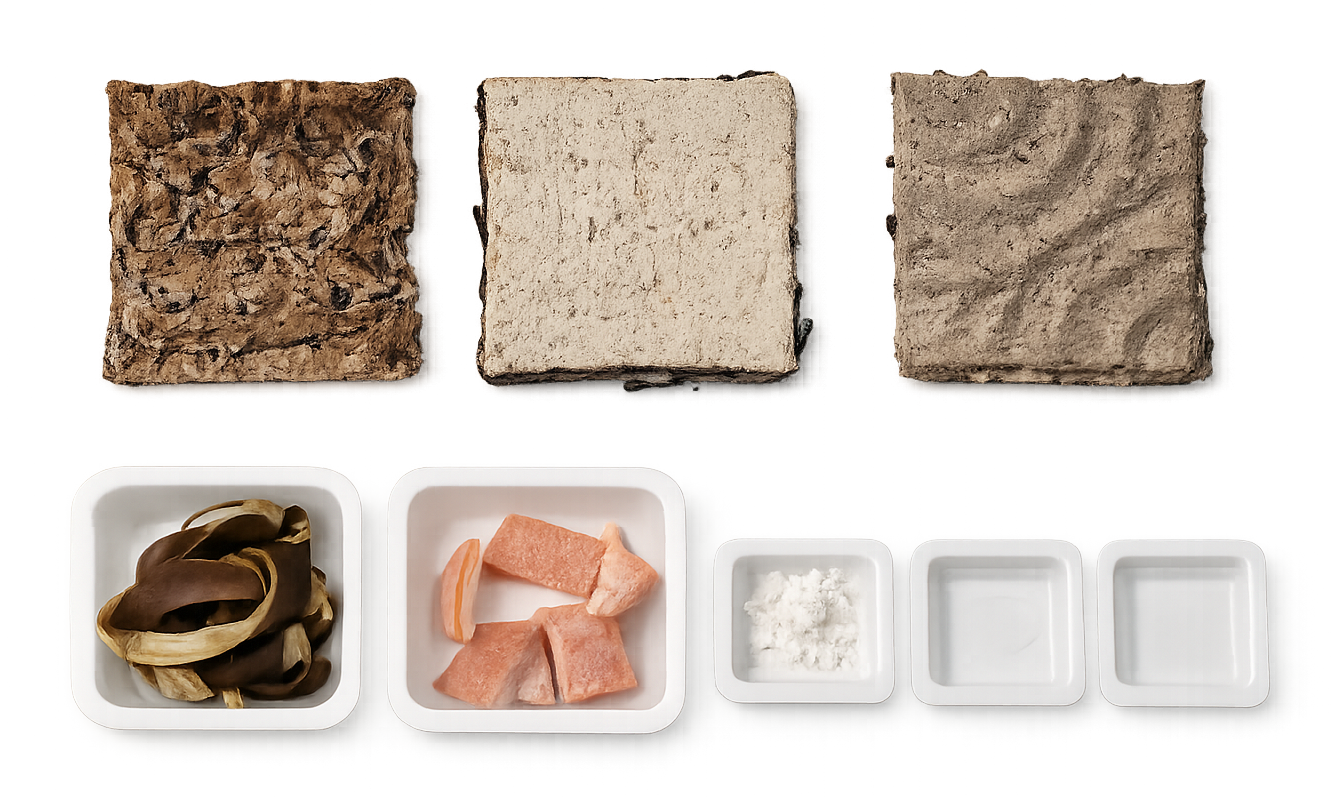
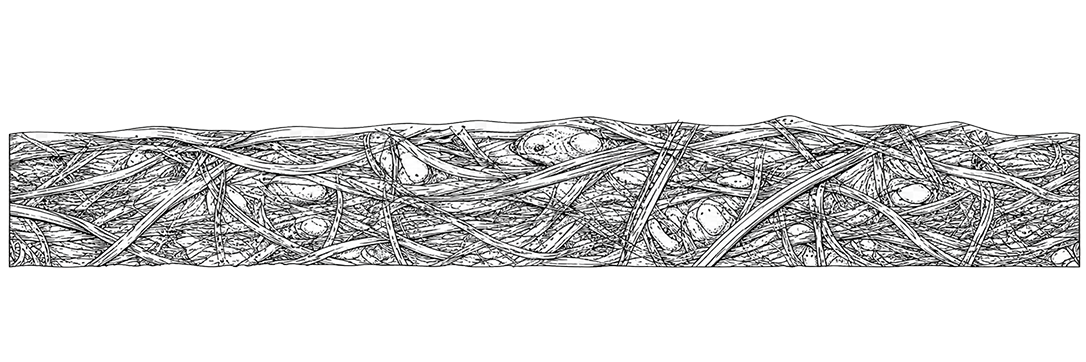
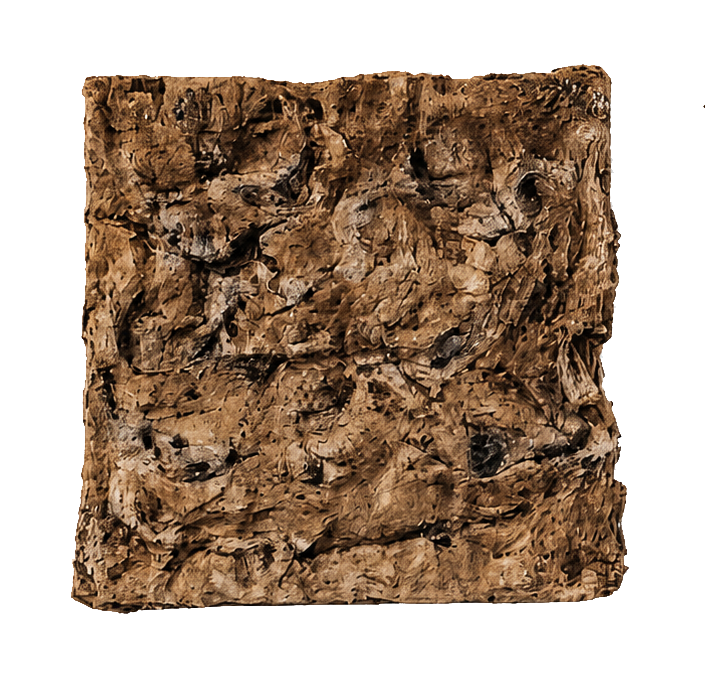
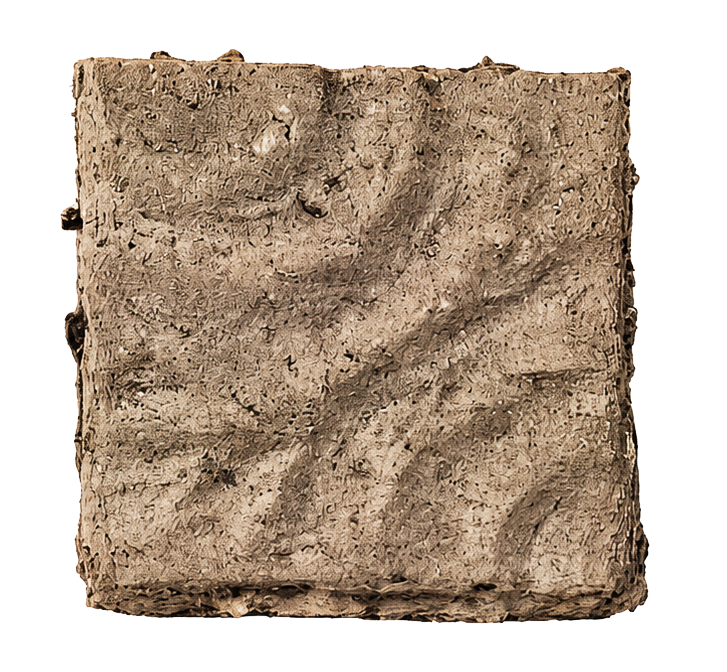
Sample 01
Raw Fiber Surface
Fiber extraction separates long structural strands.
Sample 02
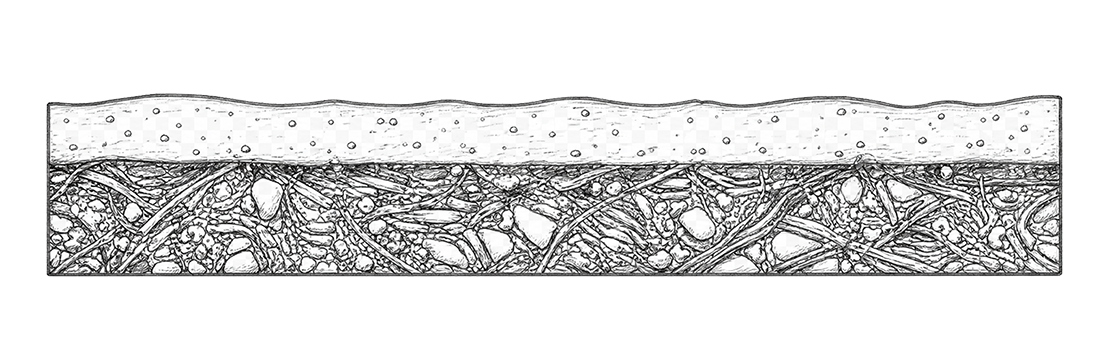
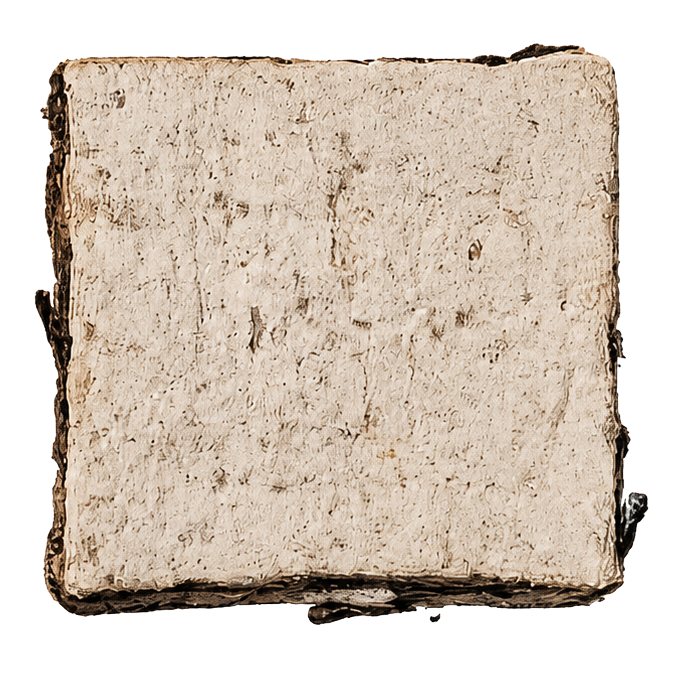
Shallow Pulp Surface + Fiber Backing
Dual-layer structure with a shallow molded pulp surface over a porous fiber backing.
Sample 03
Deep Relief Surface + Fiber Backing
Dual-layer structure with deeper molded geometry designed to increase sound diffusion and surface texture.
Structural Exposure
Surface Refinement
Acoustic Diffusion
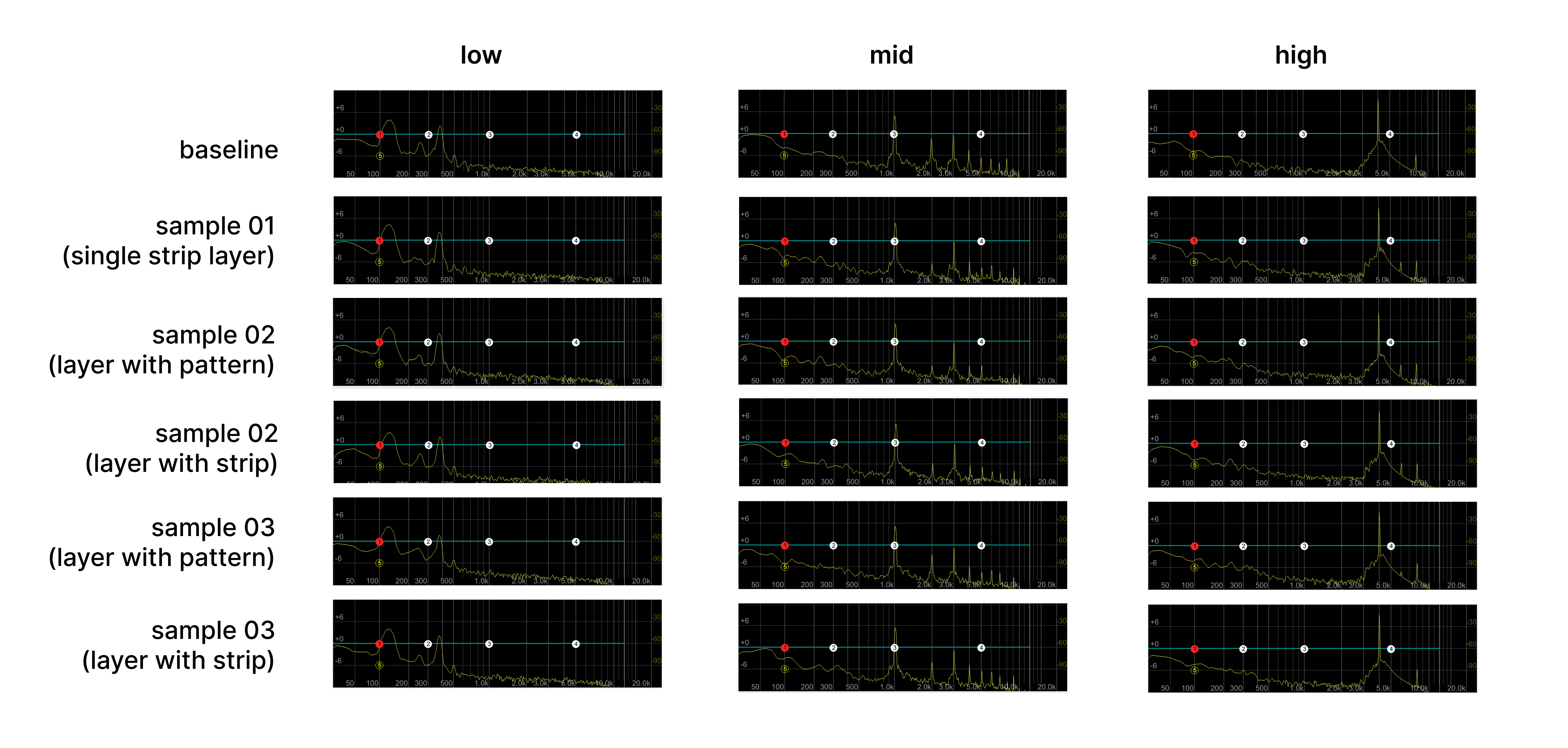
Comparative Acoustic Response
Comparative sound testing examined how surface geometry, fiber exposure, and layered thickness affected acoustic response across low, mid, and high frequency ranges.
The deeper patterned surface showed the clearest relative change in mid-to-high frequency response, suggesting that surface depth and fiber-backed thickness contribute to acoustic diffusion.
Values indicate estimated relative sound level reduction from the baseline condition, not standardized absorption coefficients.
| Sample | Structure | Thickness | Low 125–250 Hz |
Mid 500–2k Hz |
High 4k–8k Hz |
Observation |
|---|---|---|---|---|---|---|
| Baseline | No panel | — | Reference | Reference | Reference | Control condition for comparison. |
| Sample 01 | Single strip layer | 90×90mm / 4mm | 0–1 dB Minimal |
1–3 dB Mild |
1–3 dB Mild |
Fiber exposure creates slight uneven reflection. |
| Sample 02A | Shallow pulp pattern | 90×90mm / 3+4mm | 1–3 dB Mild |
3–6 dB Moderate |
3–6 dB Moderate |
Surface pattern improves scattering across mid-to-high ranges. |
| Sample 02B | Fiber backing | 90×90mm / 3+4mm | 1–3 dB Mild |
1–3 dB Mild |
3–6 dB Moderate |
Thicker strip layer supports partial sound reduction. |
| Sample 03A | Deep pulp pattern | 90×90mm / 3+4mm | 1–3 dB Mild |
3–6 dB Moderate |
6+ dB Strong |
Deeper relief geometry increases acoustic diffusion. |
| Sample 03B | Fiber backing | 90×90mm / 3+4mm | 1–3 dB Mild |
3–6 dB Moderate |
3–6 dB Moderate |
Dense fiber layer stabilizes response across frequencies. |
Low, mid, and high frequency testing screenshots are shown as supporting evidence.
Localized Acoustic
Applications
Porous biomaterial surfaces designed for shared interior acoustic environments.